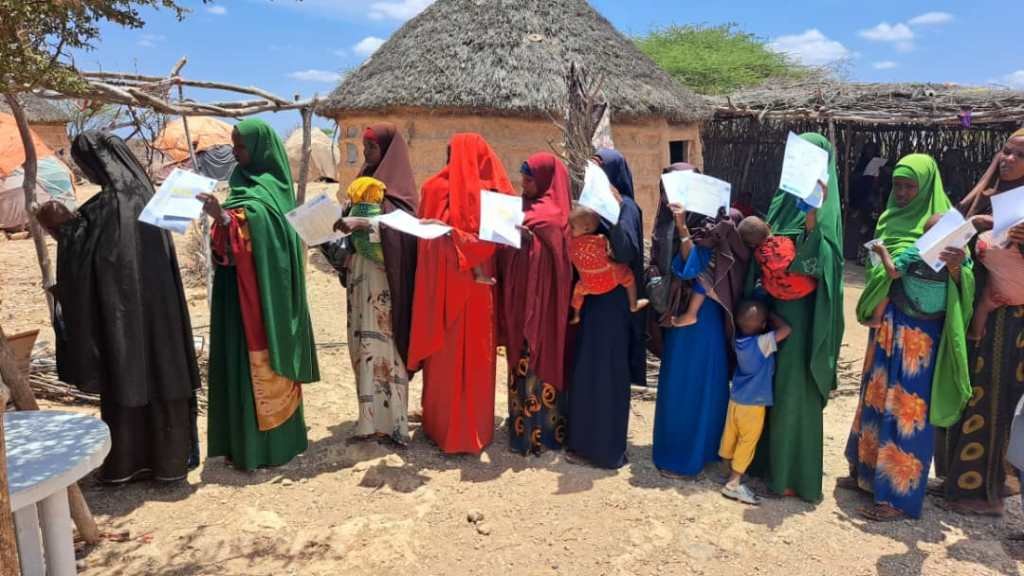
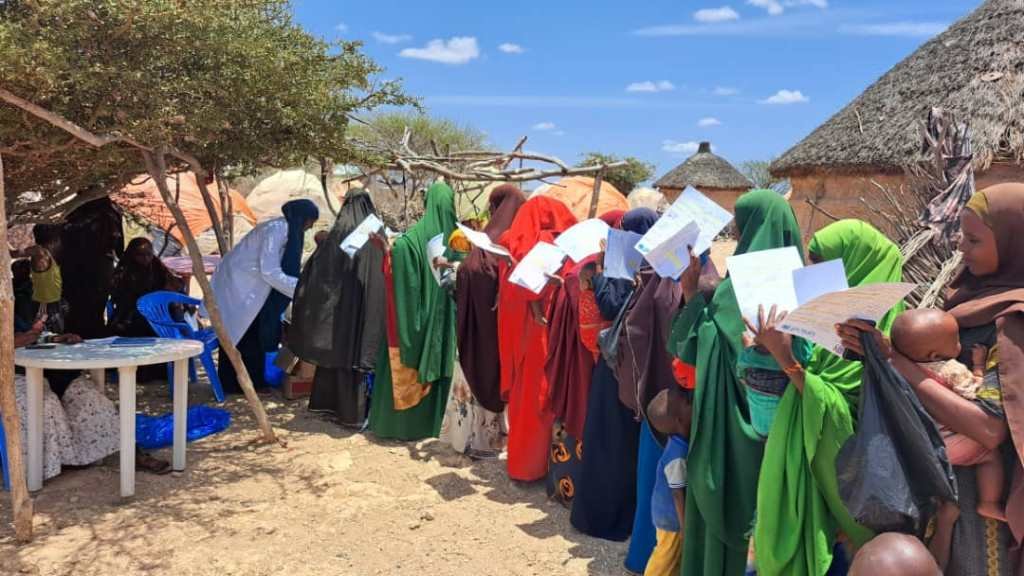
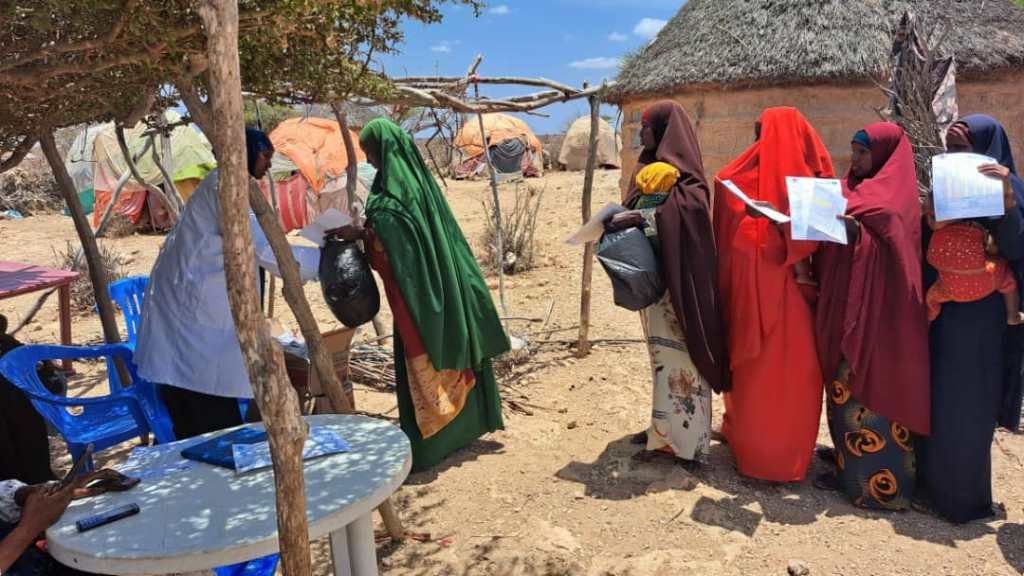
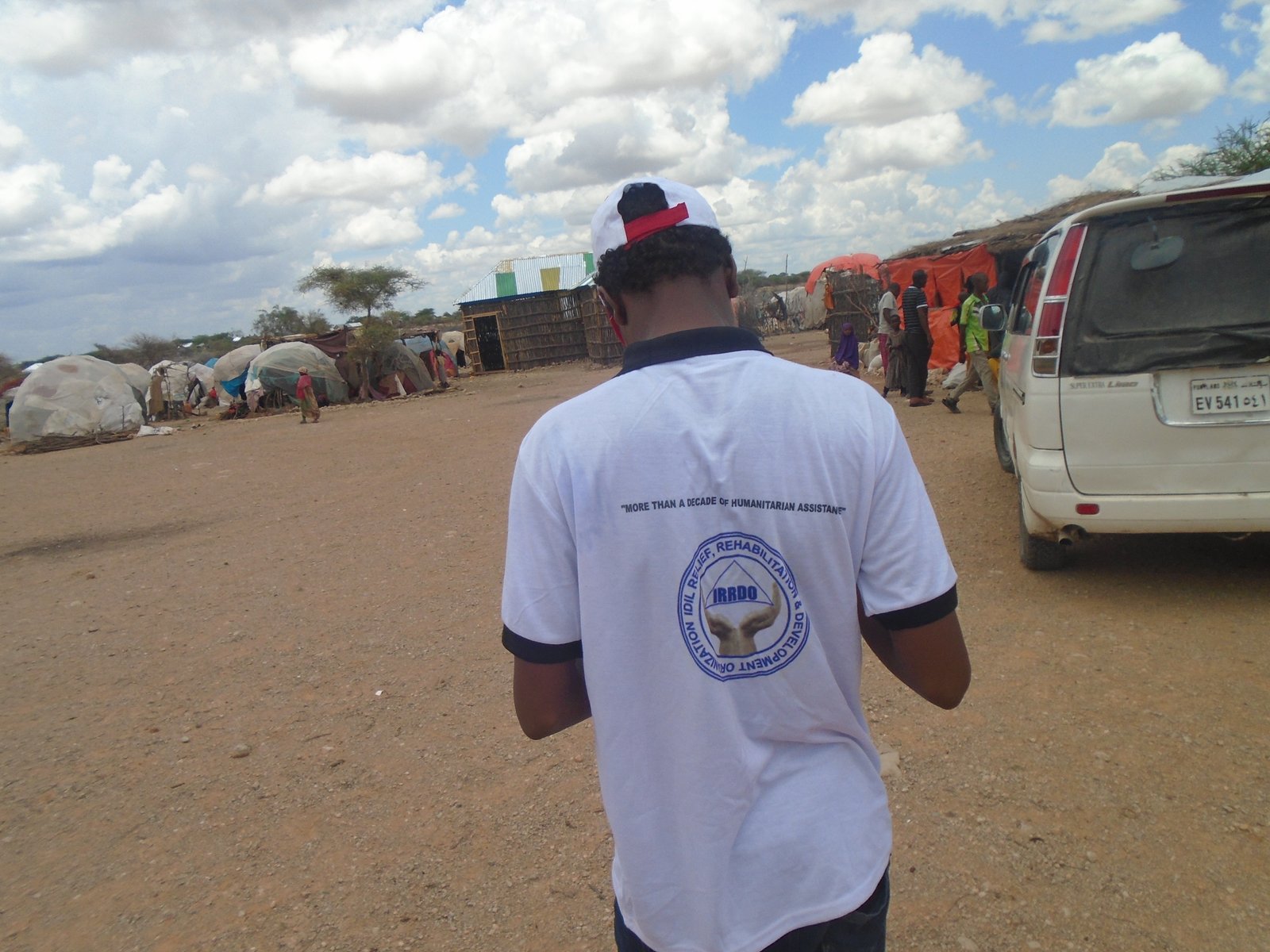
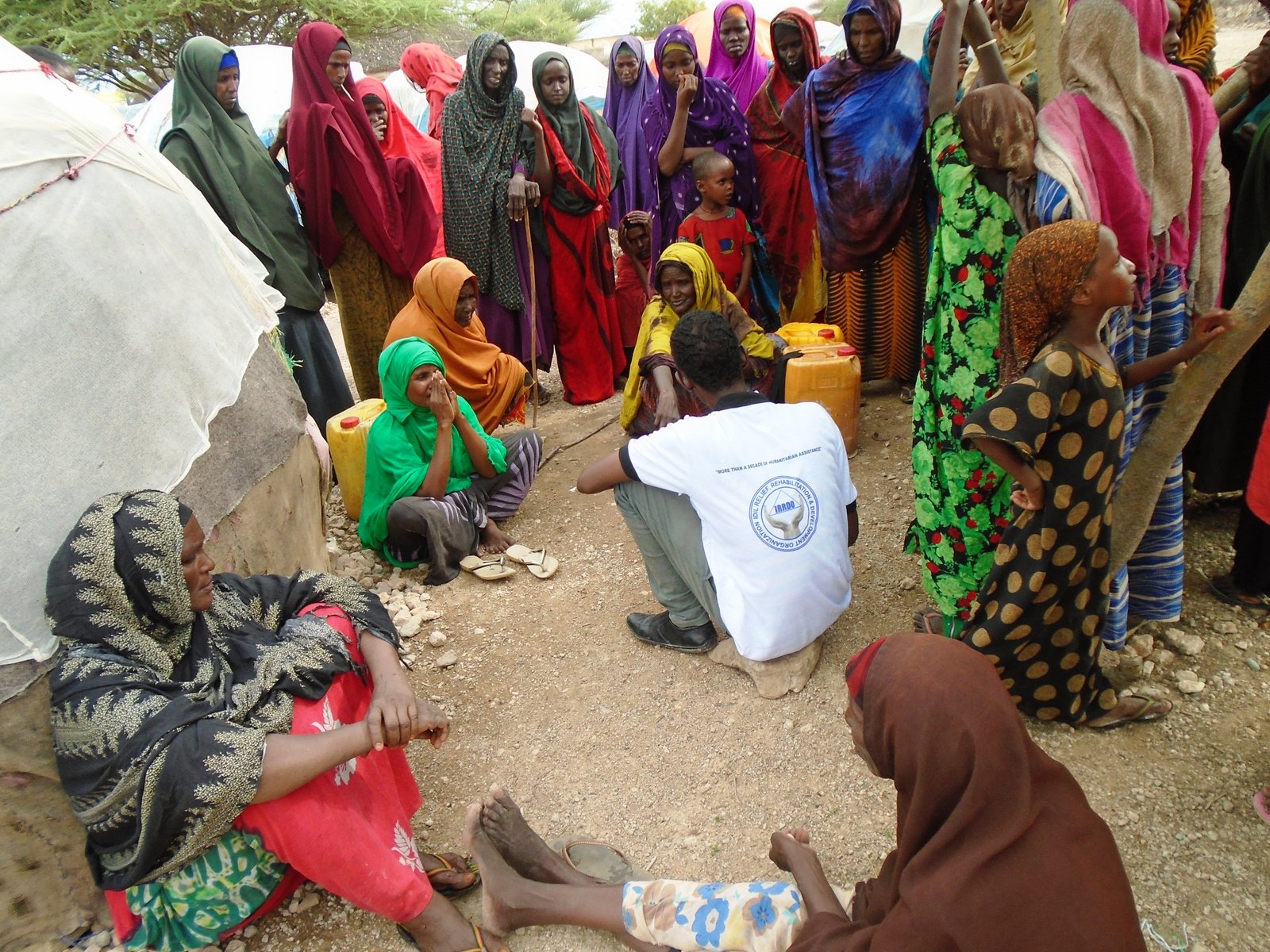
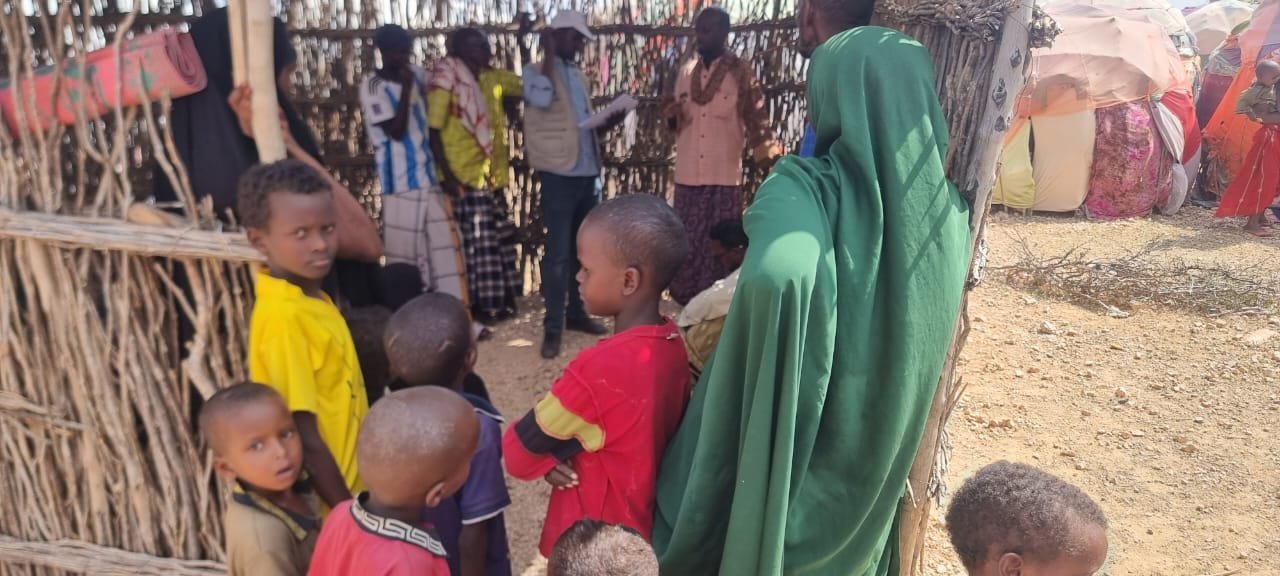
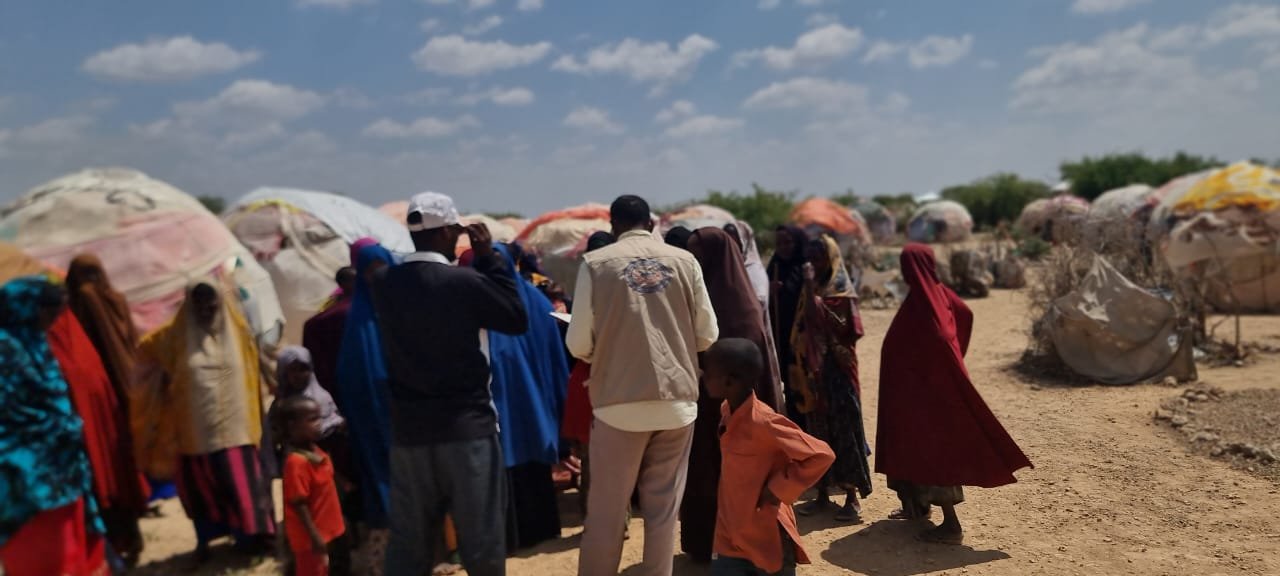
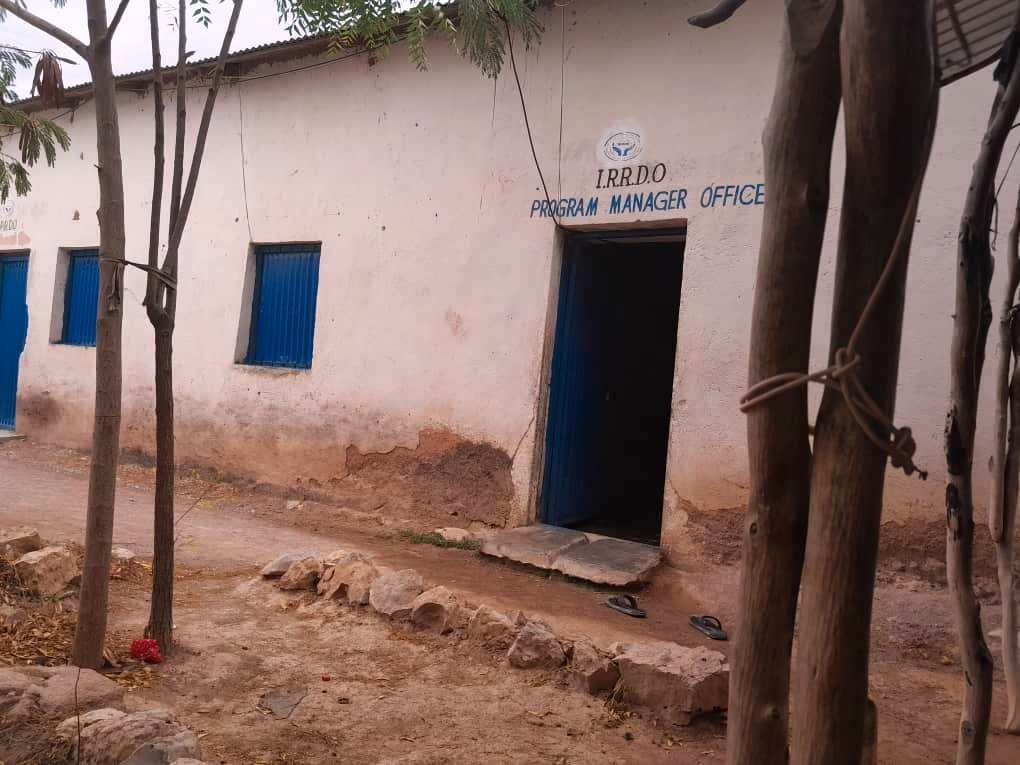
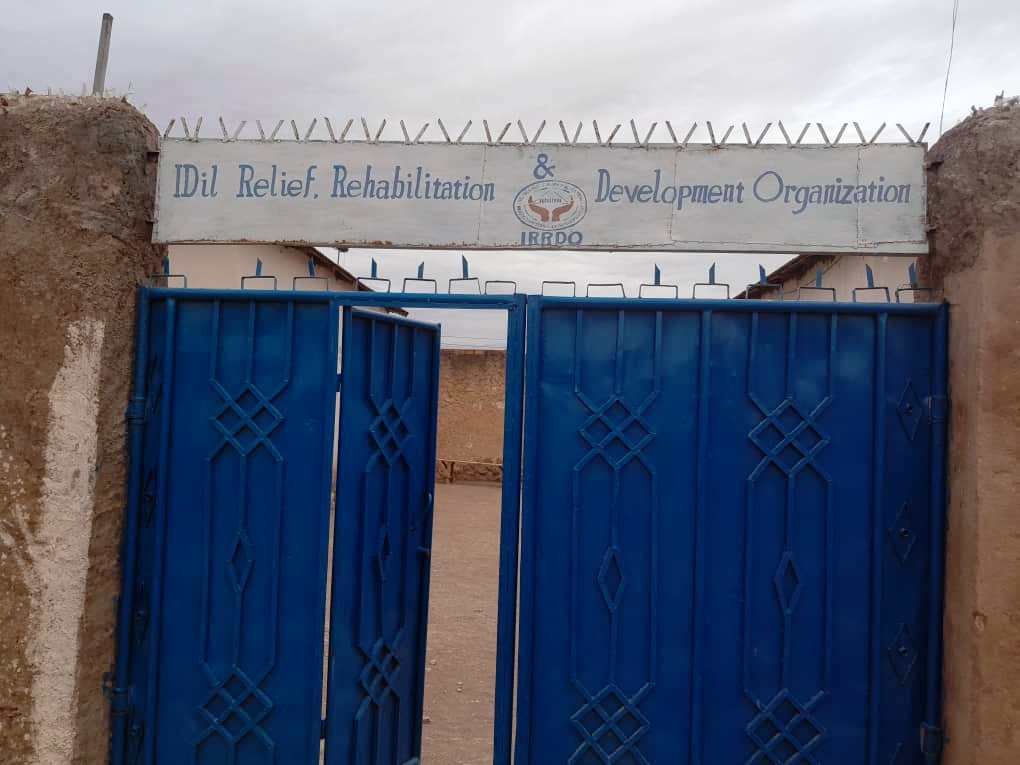
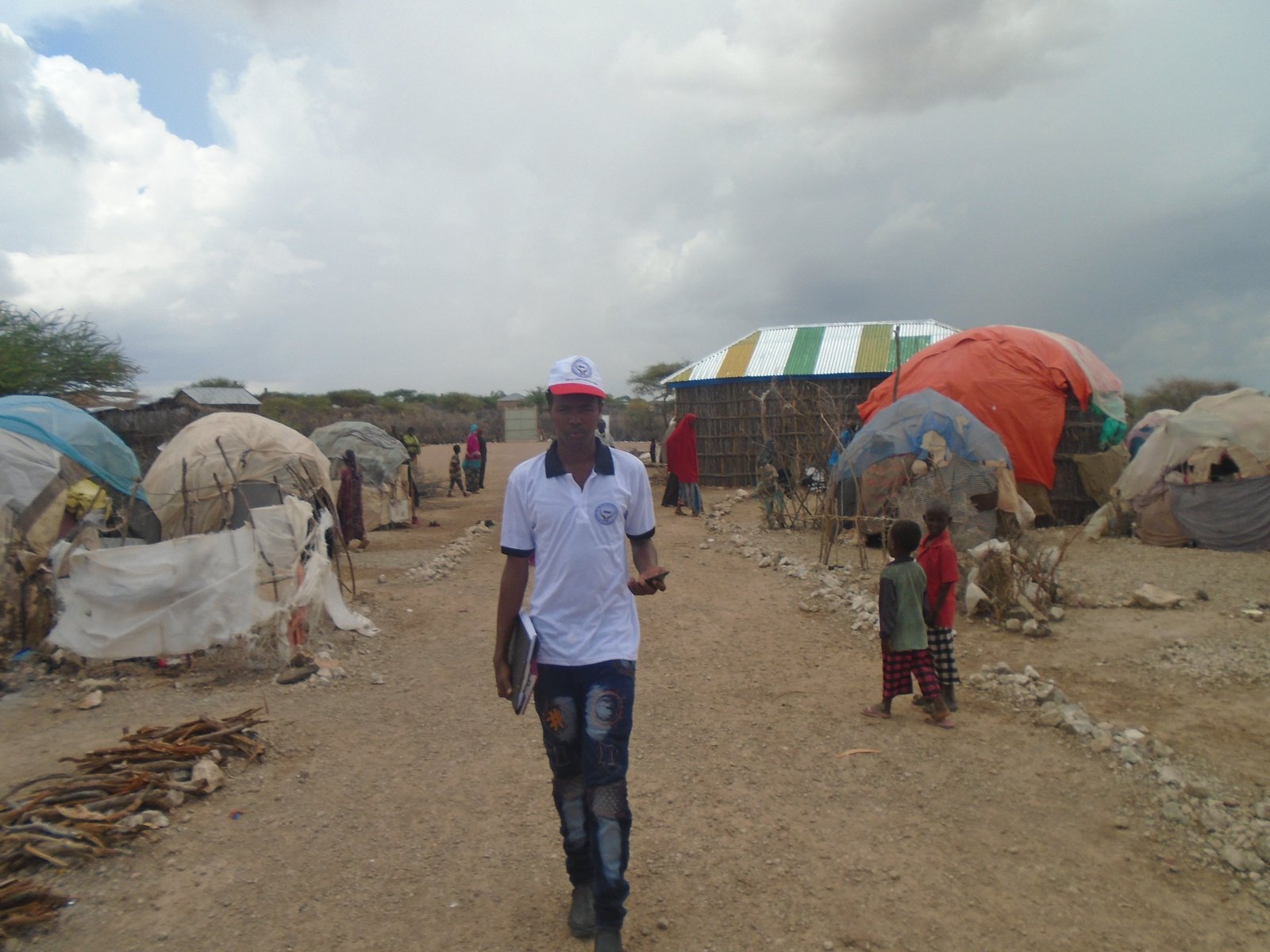
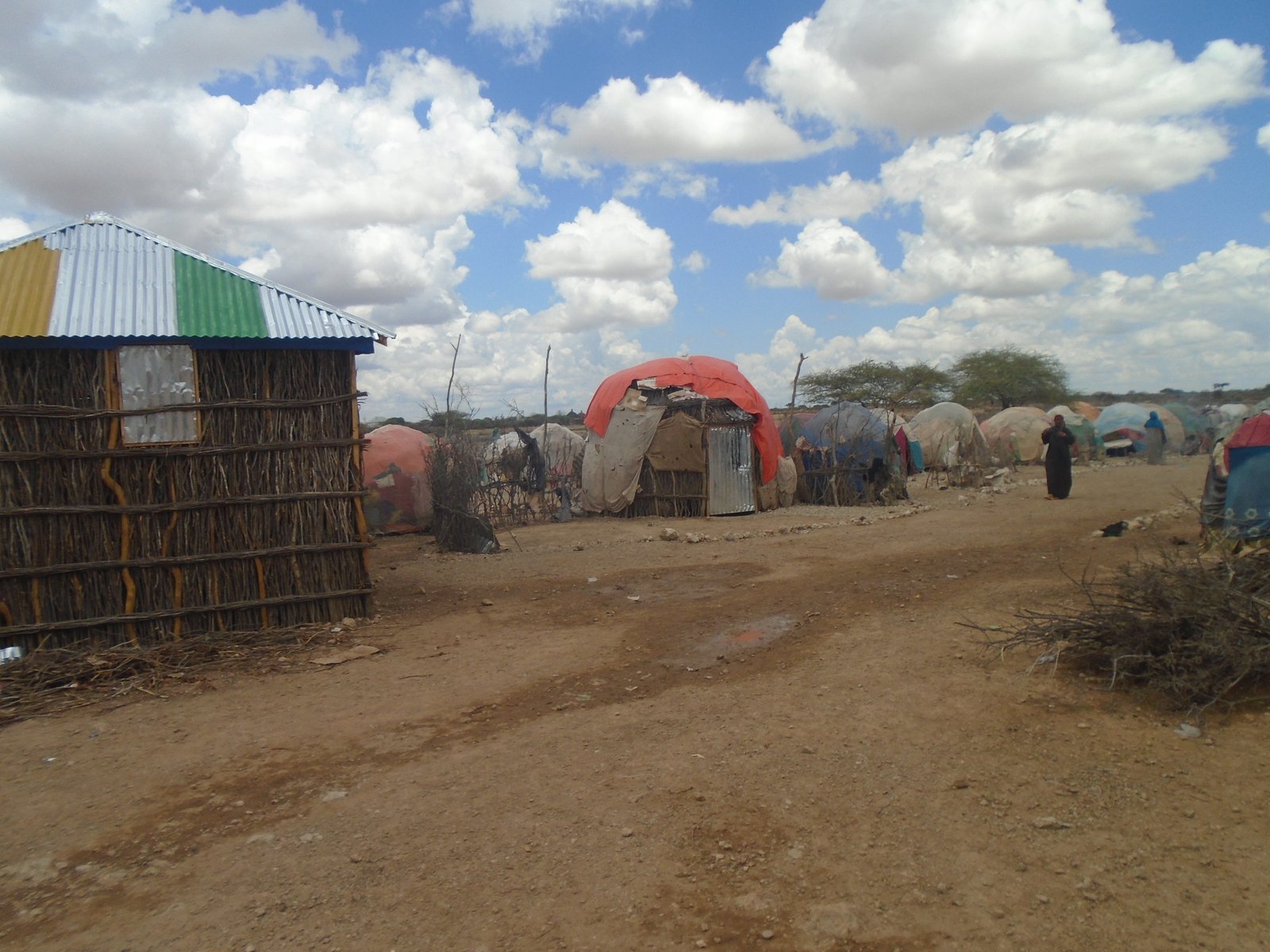
IRRDO implements community-centered development programs across multiple sectors to transform lives and build resilient communities in South Central Somalia.
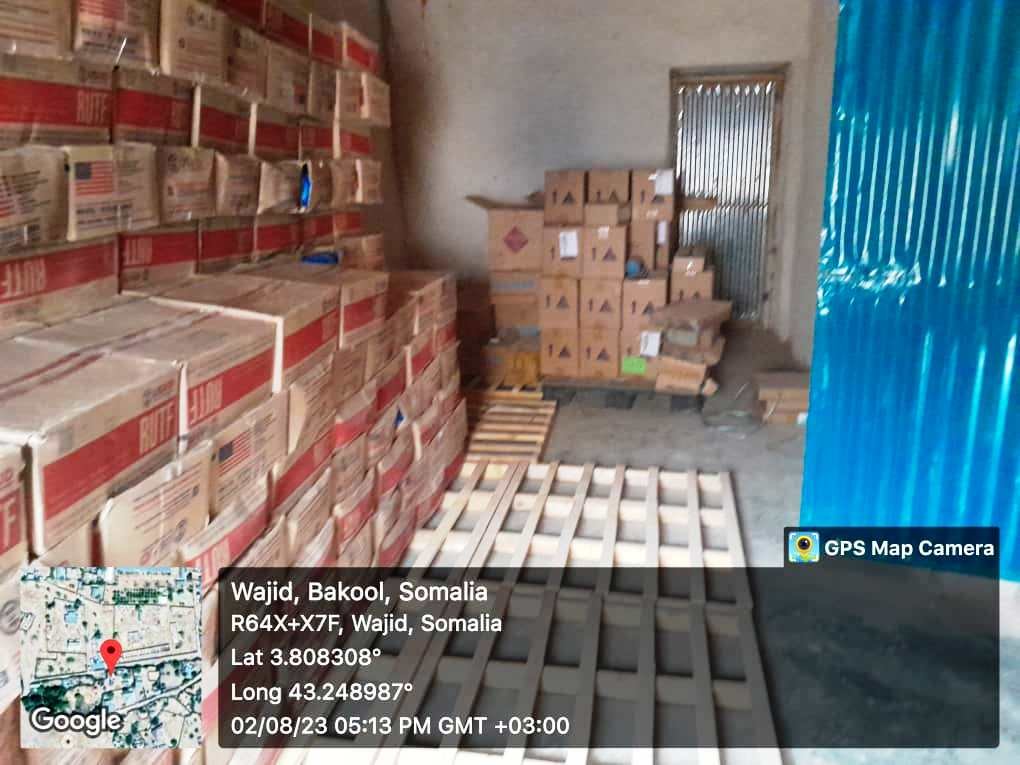
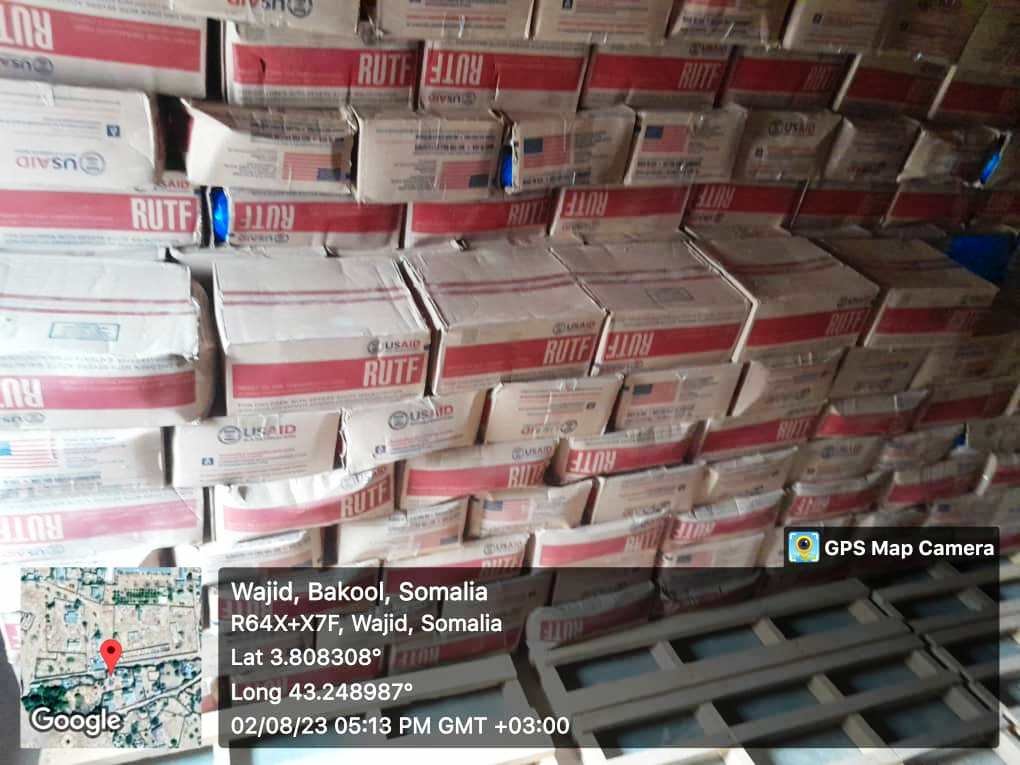
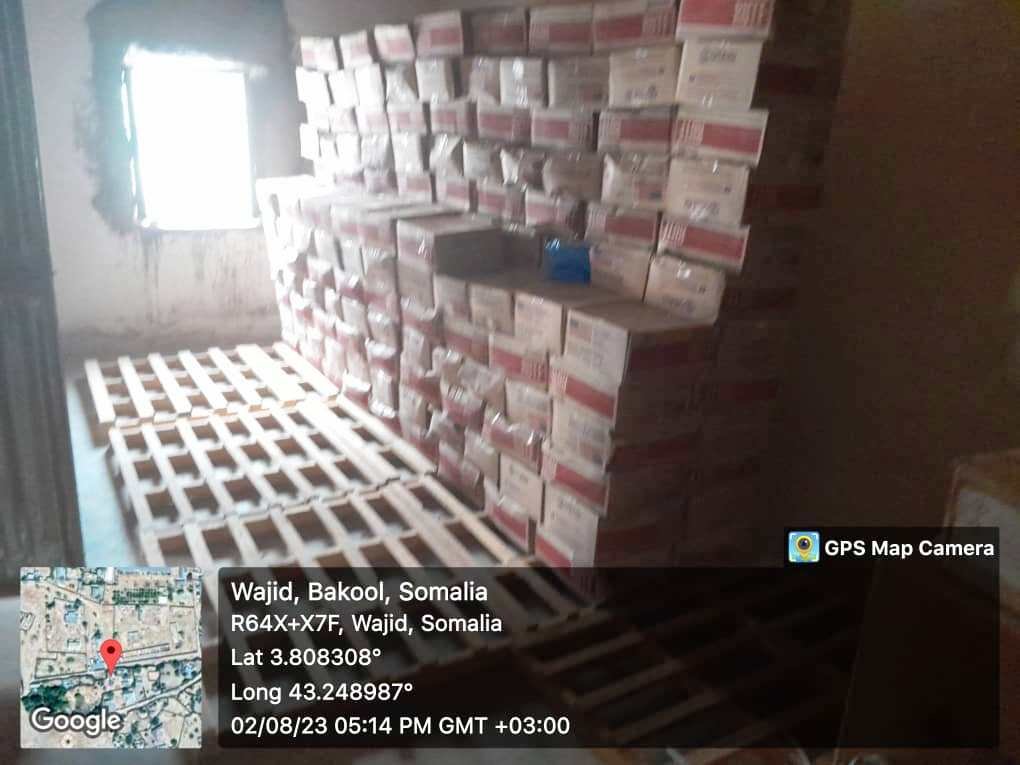
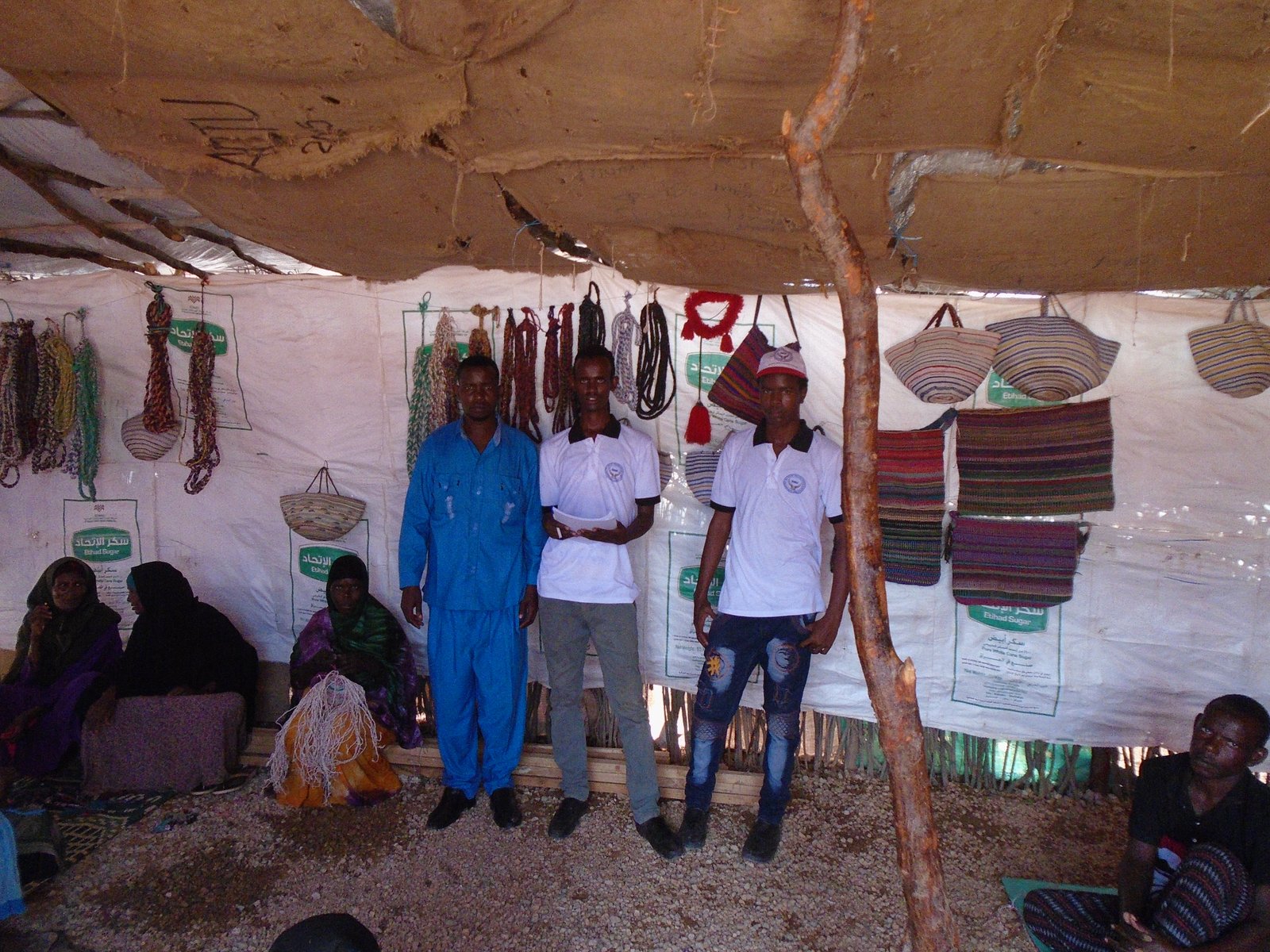
Supporting sustainable livelihood development through food aid, income generation, and economic empowerment.
Learn MoreDelivering comprehensive healthcare services and nutrition programs for vulnerable populations.
Learn MoreProviding clean water access and promoting hygiene and sanitation practices for healthier communities.
Learn MoreSafeguarding vulnerable populations, particularly women and girls, against exploitation and abuse.
Learn MoreRapid humanitarian response to conflicts and crises affecting vulnerable communities.
Learn MorePromoting grassroots peace initiatives and advocacy for human rights and social justice.
Learn MoreIRRDO's Food Security and Livelihood program is designed to eradicate extreme poverty and hunger by improving household livelihood systems and reducing dependence on humanitarian aid through sustainable economic development.
We provide comprehensive livelihood support through food aid, income generation activities (IGA), economic empowerment initiatives, and cash transfer programs targeted at the most vulnerable households in Bay, Bakool, Lower Shabelle, and Banadir regions.
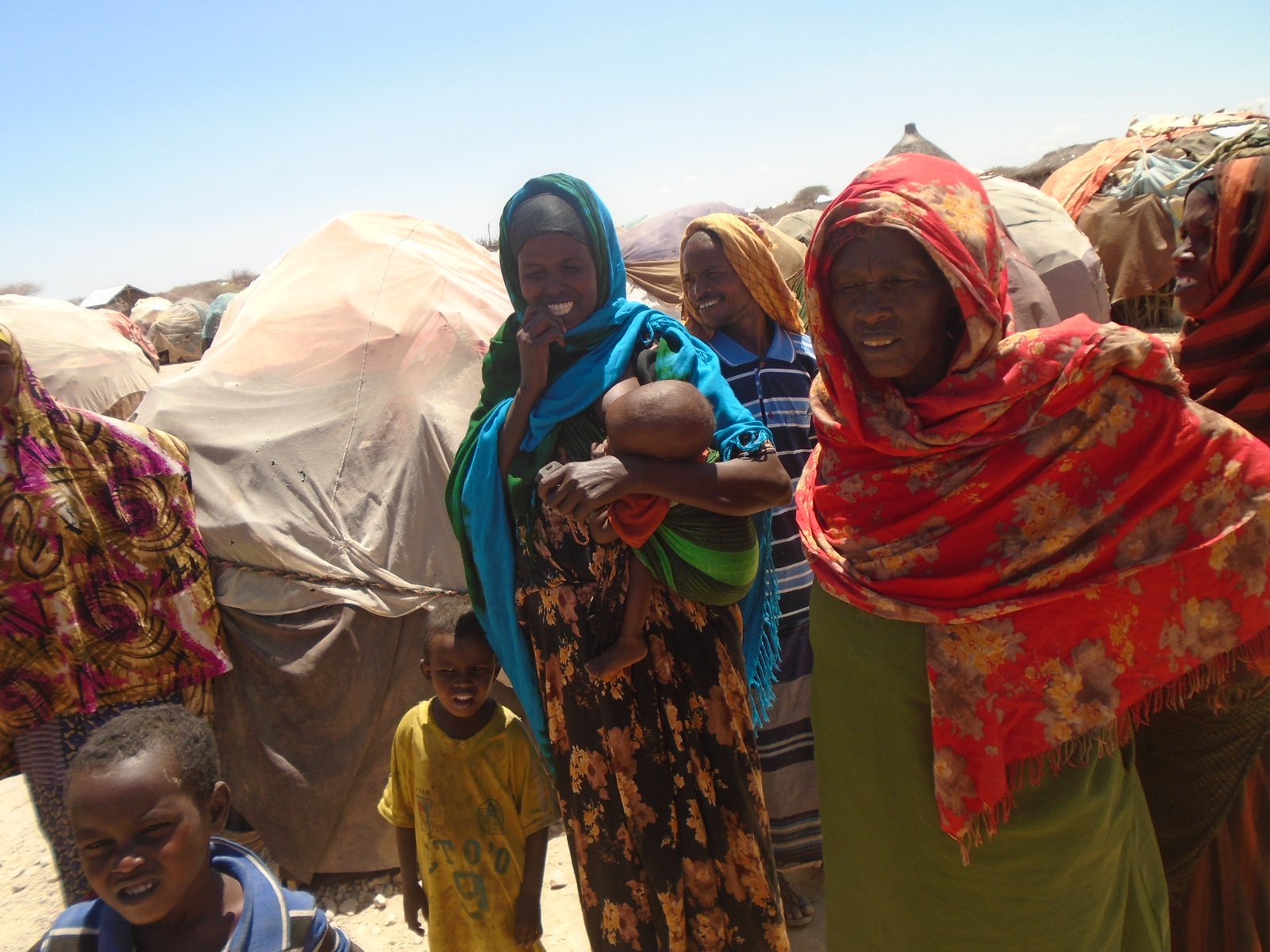
Vulnerable rural and urban households, internally displaced persons (IDPs), returnees, orphans, youth, women, and people living below the poverty line seeking economic independence and improved food security.
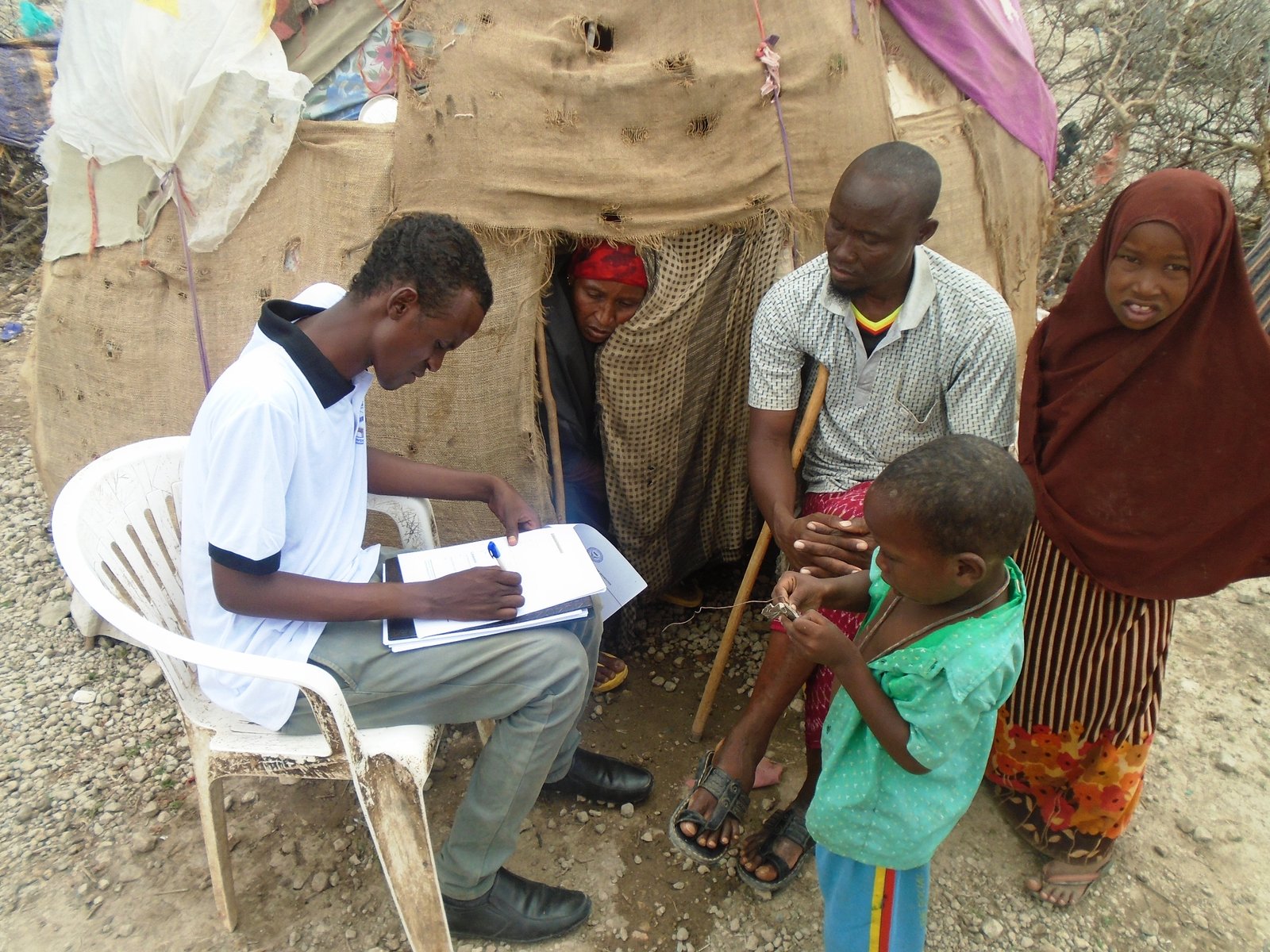
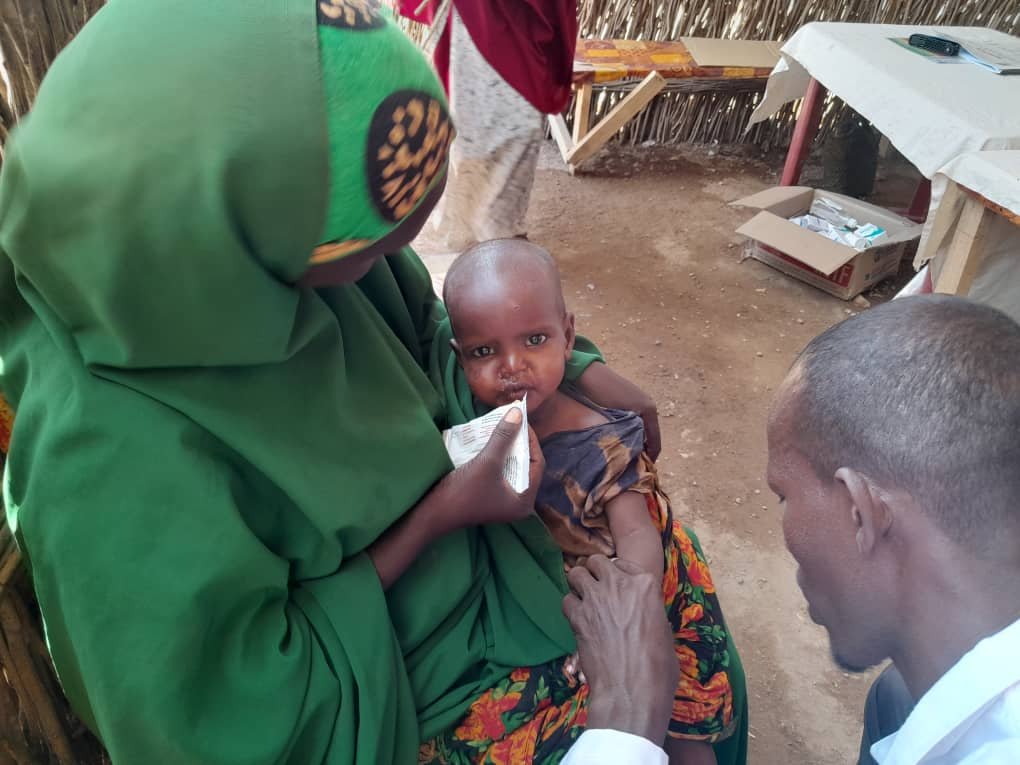
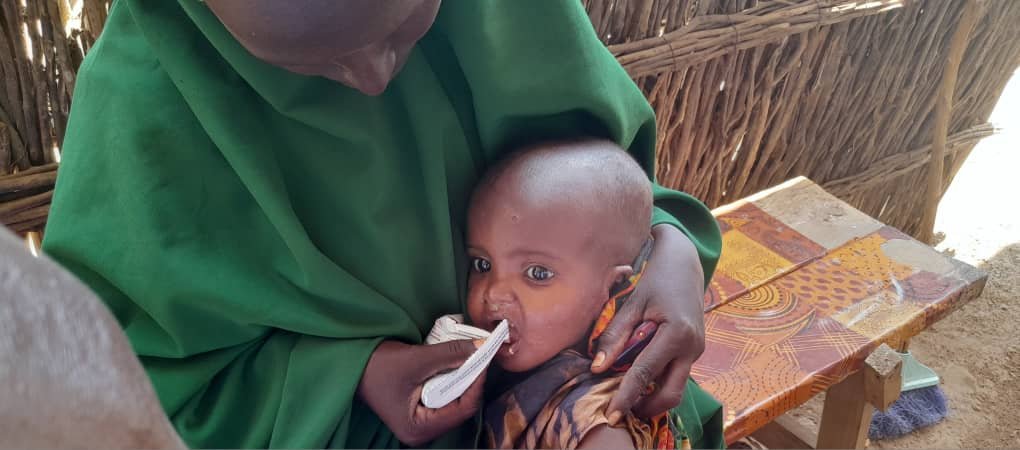
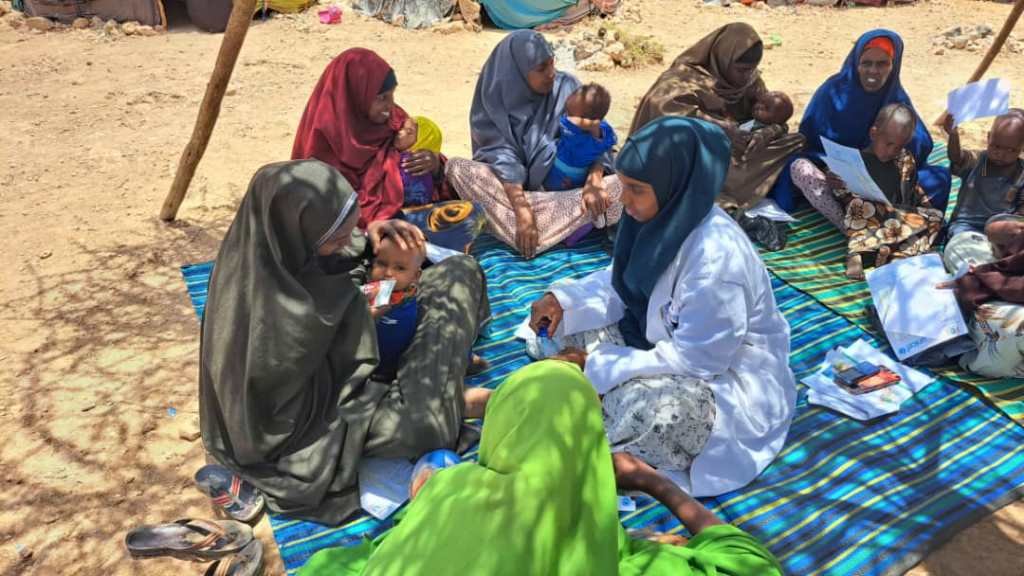
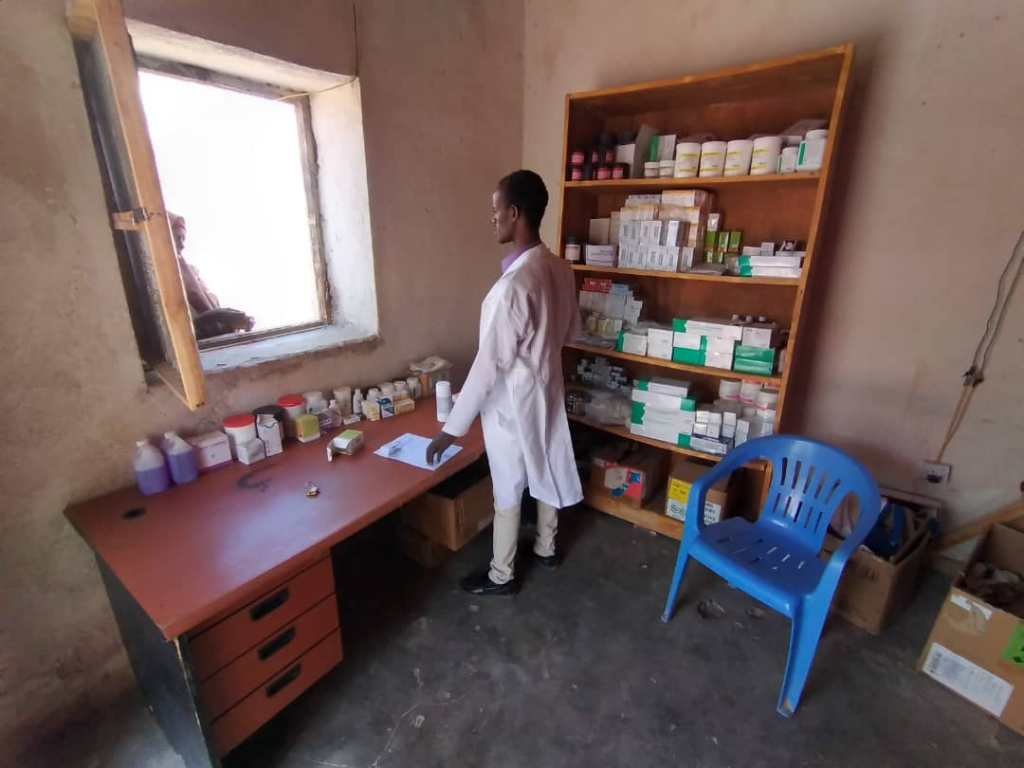
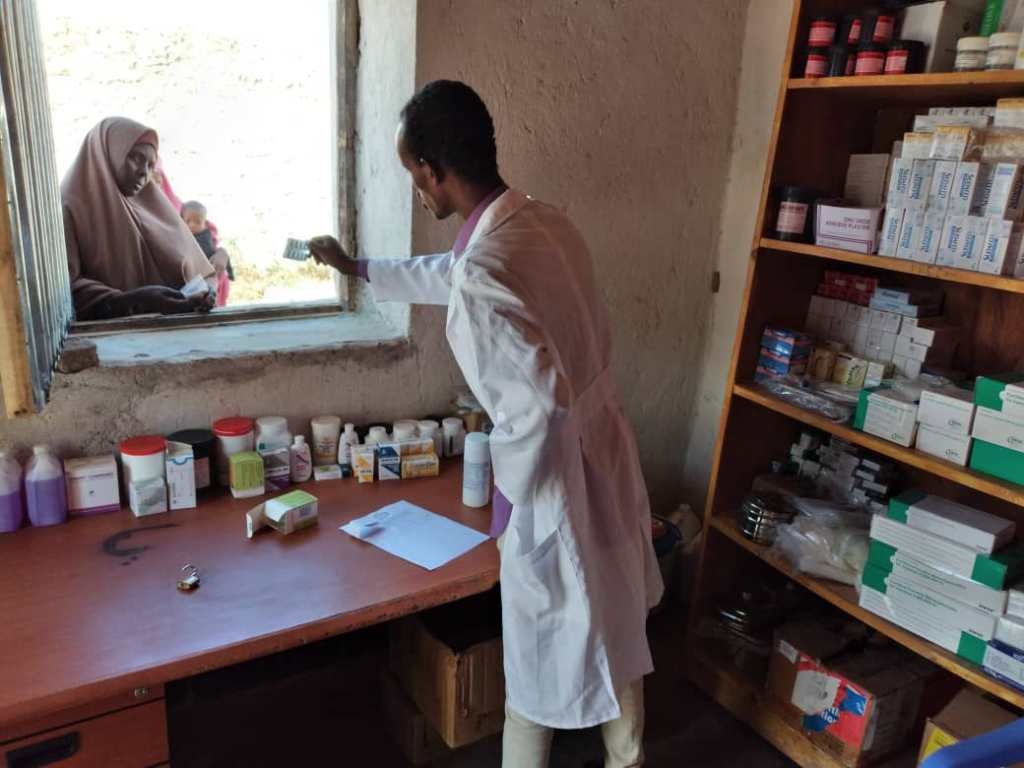
IRRDO's Health and Nutrition program aims to improve community health outcomes, reduce disease burden, and promote nutrition security through integrated healthcare delivery and nutrition interventions.
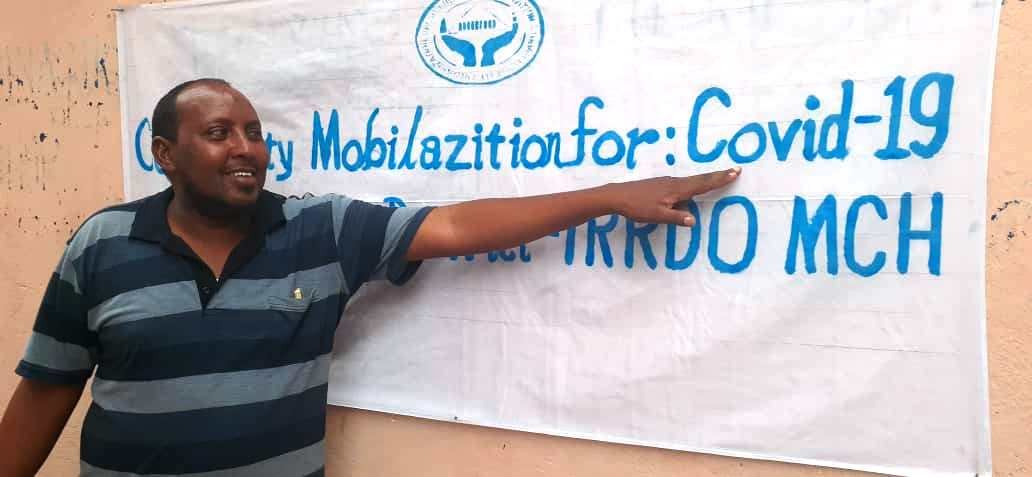
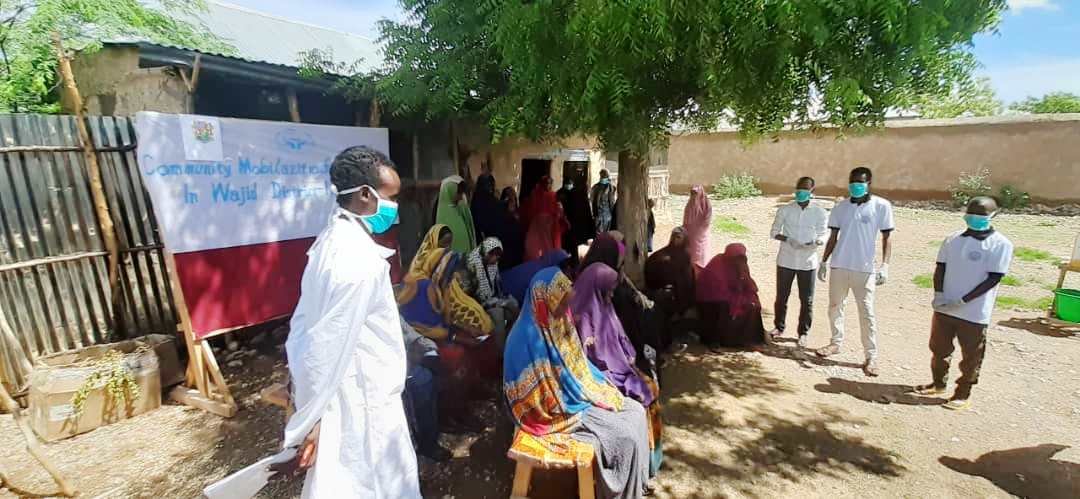
Operating the Wajid Maternal and Child Health (MCH) facility in partnership with Southwest State Ministry of Health and UNICEF, we provide primary healthcare services, maternal health support, child health programs, and disease management to vulnerable communities.
Primary focus on reducing maternal and child mortality, preventing and managing communicable diseases, improving nutrition status of vulnerable groups, and building community health literacy and empowerment.
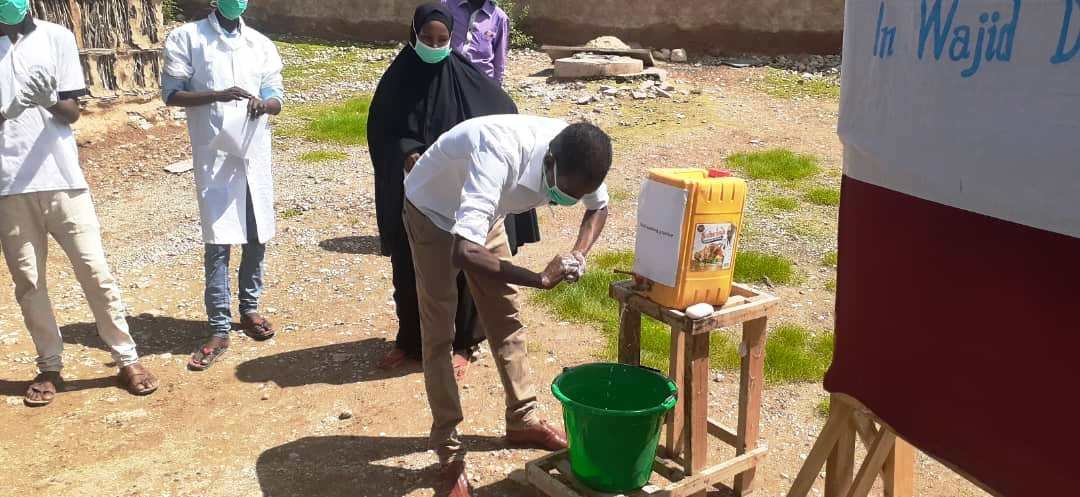
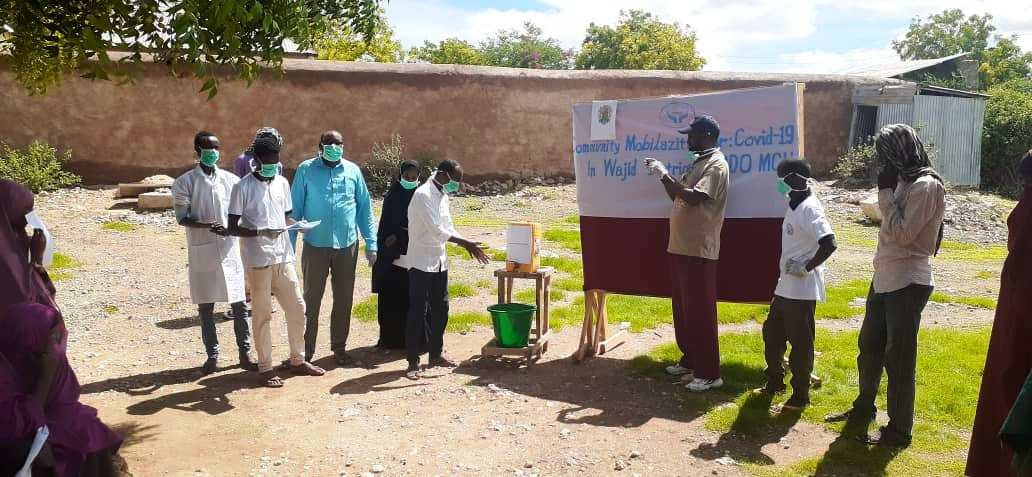
IRRDO's WASH program ensures vulnerable communities have access to clean and safe water, proper sanitation facilities, and practice good hygiene behaviors to prevent water-borne diseases and improve overall health outcomes.
Through strategic interventions, we create sustainable water and sanitation systems that reduce open defecation, prevent cholera and diarrheal diseases, and promote good hygiene practices in rural and urban communities.
Reduction of waterborne diseases, improved community health, enhanced dignity and safety for women and girls, increased school attendance, and sustainable environmental management.
IRRDO's Protection and Gender program safeguards children, women, and girls against human exploitation, gender-based violence (GBV), child labor, and other protection concerns through community-based approaches and prevention strategies.
We work collaboratively with communities to develop and implement protection mechanisms, promote women rights, prevent harmful practices like FGM, and provide support to survivors of violence and exploitation.
Through community partnerships, we establish reporting channels for GBV identification, develop community-led protection strategies, and build capacity of community leaders and committees to champion protection and women rights.
IRRDO's Emergency Response program provides rapid humanitarian assistance to people affected by conflicts, natural disasters, and crises, delivering life-saving aid and support to vulnerable populations in emergency situations.
We maintain emergency preparedness systems and rapidly mobilize resources to respond to humanitarian crises in Bay, Bakool, Lower Shabelle, and Banadir regions through coordinated partnerships with UN agencies and international organizations.
We develop and operationalize sustainable mechanisms for sourcing and distributing humanitarian aid, establish proper logistical frameworks, engage stakeholders in resource provision, and advocate for government institutionalization of humanitarian assistance.
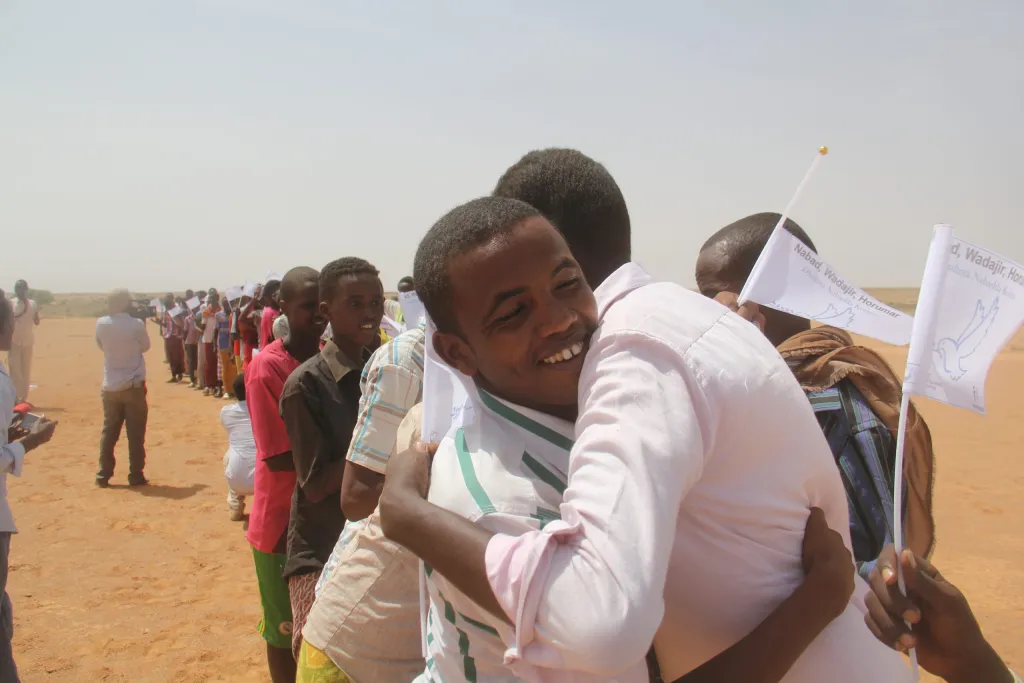
IRRDO's Peacebuilding and Advocacy program promotes grassroots community-based peace initiatives, advocates for human rights and social justice, and builds the capacity of communities and youth to contribute to sustainable peace.
We provide education for peace, personal development, and cultural values while promoting genuine Islamic principles. Through community participation and youth engagement, we foster dialogue, reconciliation, and collective action for sustainable peace.
Our initiatives promote equity, social justice, improved community relations, and long-term peace sustainability. We work with community leaders, religious scholars, youth, and civil society to institutionalize peace values and practices.
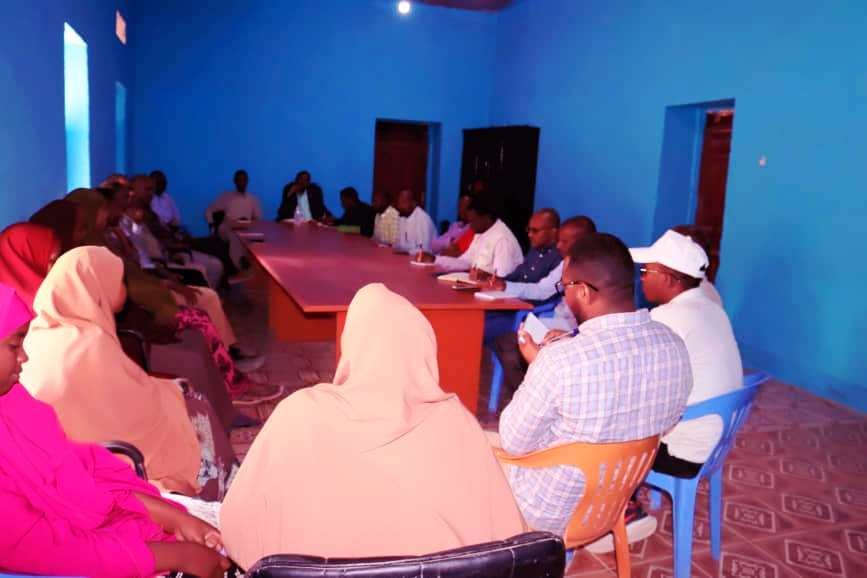
We believe communities must lead their own development. All programs are designed and implemented through active community participation and local ownership.
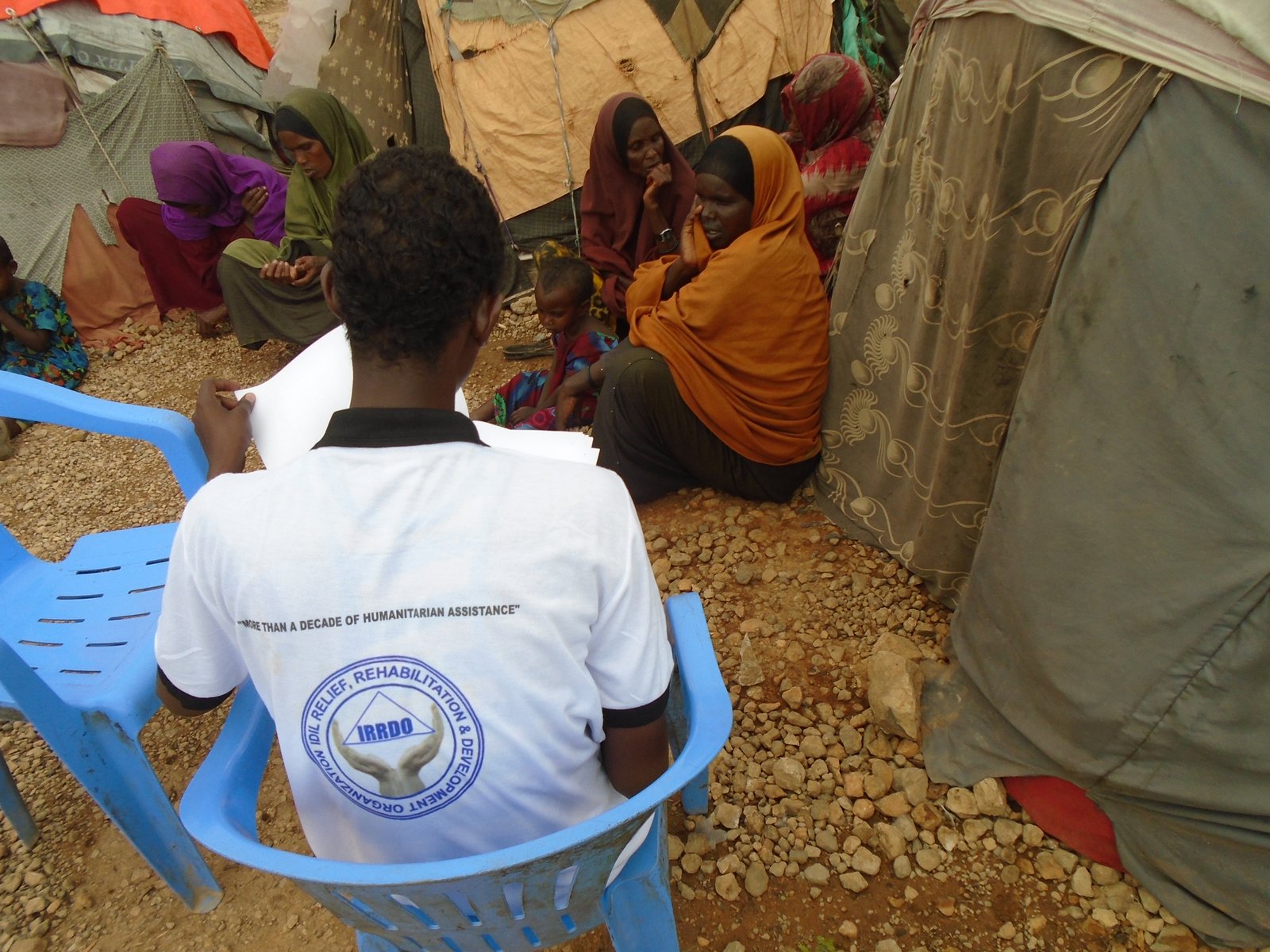
We conduct thorough needs assessments and community research to accurately understand ground realities and develop targeted interventions based on evidence.
All programs emphasize local capacity building and long-term viability to ensure communities benefit beyond the project implementation period.
We collaborate with UN agencies, international NGOs, government institutions, and local organizations to maximize impact and ensure coordination.
Rigorous monitoring and evaluation systems track program progress, ensure accountability, and enable adaptive management for continuous improvement.
We maintain transparent accounting systems following GAAP principles with zero tolerance for fraud and full accountability to beneficiaries and donors.
Projects Completed
Regions Served
Beneficiaries Reached
Years of Service
Your support enables us to reach more communities and create lasting positive change